Open vs. Closed Roof Valleys: Which Is More Durable?
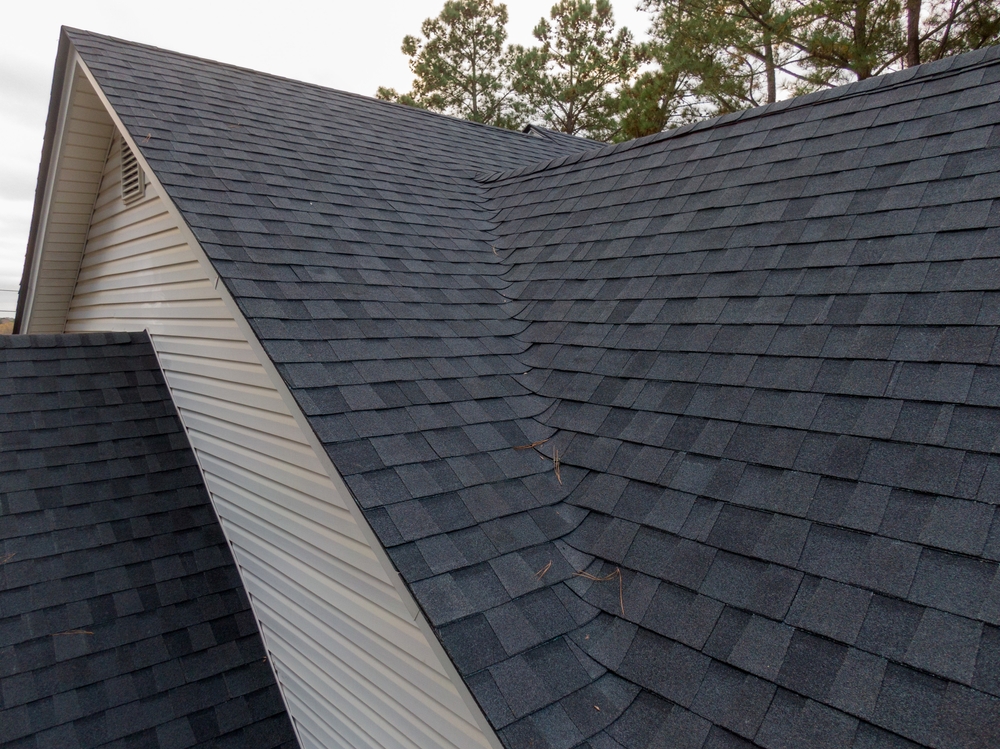
Your roof handles more than just sunshine and wind; it manages thousands of gallons of water every year. One of the most important yet overlooked parts of that system is the roof valley. When comparing options with Escondido roofing contractors, understanding the difference between open and closed roof valleys can help you choose a system built for long-term durability.
The right valley design plays a major role in preventing leaks, reducing wear, and extending your roof’s lifespan. In today’s blog, we’ll discuss the differences and help you decide which option may be the best fit, ensuring a safe roof and a peace of mind.
What is the difference between open and closed roof valleys?
A roof valley is the area where two roof slopes meet, forming a channel that directs rainwater downward into the gutter system. Because valleys handle a large volume of runoff, they are one of the most vulnerable parts of a roof.
Open roof valley
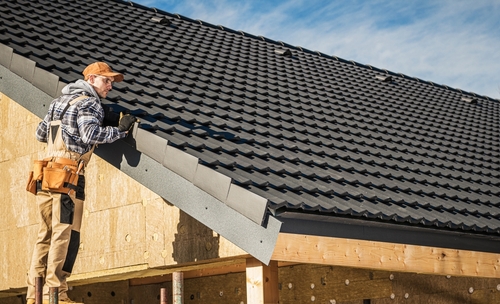
An open roof valley features a visible metal lining that runs along the valley center. Shingles are cut back on each side to expose the metal beneath. This design allows water to flow freely along the metal surface, reducing friction and minimizing debris buildup. The exposed metal also makes it easier to inspect for wear and tear over time.
Closed roof valley
A closed roof valley, unlike its alternative, is covered entirely with shingles. The shingles from one roof plane extend across the valley, overlapping the shingles from the other side. This creates a seamless appearance that many homeowners prefer aesthetically. However, because water flows directly over the shingles rather than exposed metal, proper installation becomes especially important to prevent leaks.
Like the critical role proper roof edge sealing plays in preventing water intrusion, valley performance depends heavily on precision installation and attention to detail. Even small mistakes in high-flow areas can lead to long-term damage.
Which is better: an open or closed roof valley?
The answer depends on your home’s specific needs and environmental factors. In many cases, open roof valleys are considered more durable because the metal lining provides an extra layer of protection in high-water-flow areas. The smooth metal surface helps water drain efficiently, which can be especially beneficial during heavy rainstorms.
Closed roof valleys, while visually streamlined, rely more heavily on shingle integrity. Over time, constant exposure to concentrated water flow can accelerate wear. In regions with high temperatures and strong sun exposure, the extreme heat can gradually break down roofing and impact shingle-covered valleys if they are not properly maintained.
Additionally, valleys are common areas for debris buildup. Leaves, dirt, and nesting materials can trap moisture and increase deterioration. Gaps or vulnerabilities in these areas may also invite problems similar to the kinds of damage animals can cause to your roof, making regular inspection essential.
Ultimately, both options can be durable when installed by experienced professionals. The best choice often comes down to balancing aesthetics, climate conditions, and long-term maintenance considerations. Consulting knowledgeable contractors ensures your valley system matches your roof design and environmental demands.
Where in Escondido can I book with dependable roofing contractors?
Don’t leave critical roofing details to chance. Whether you’re considering a replacement or need repairs, 619 Roofing offers dependable service and careful attention to every component of your roof. Proudly serving homeowners near Dixon Reservoir and across Escondido, we’re ready to help.
Our team provides thorough inspections, honest recommendations, and quality workmanship designed for long-term durability. Contact us today to discuss your roofing needs and schedule a personalized consultation!
READ MORE FROM OUR BLOG:
How to Prepare for a Roof Certification Inspection
One of the best decisions you can make as a homeowner is to schedule…
READ MOREChoosing a Long-Lasting Roof
When looking for ways to enhance your home, one of the first questions you…
READ MORE
Roof Certification Inspections: What to Expect
A roof certification in San Diego, CA, is a professionally written document that confirms…
READ MORE
What to Do After a Storm Damages Your Roof
Severe weather can leave homeowners scrambling to figure out what comes next. High winds,…
READ MORE