The Truth About Wind Uplift: Why Strong Winds Damage Some Roofs More Than Others
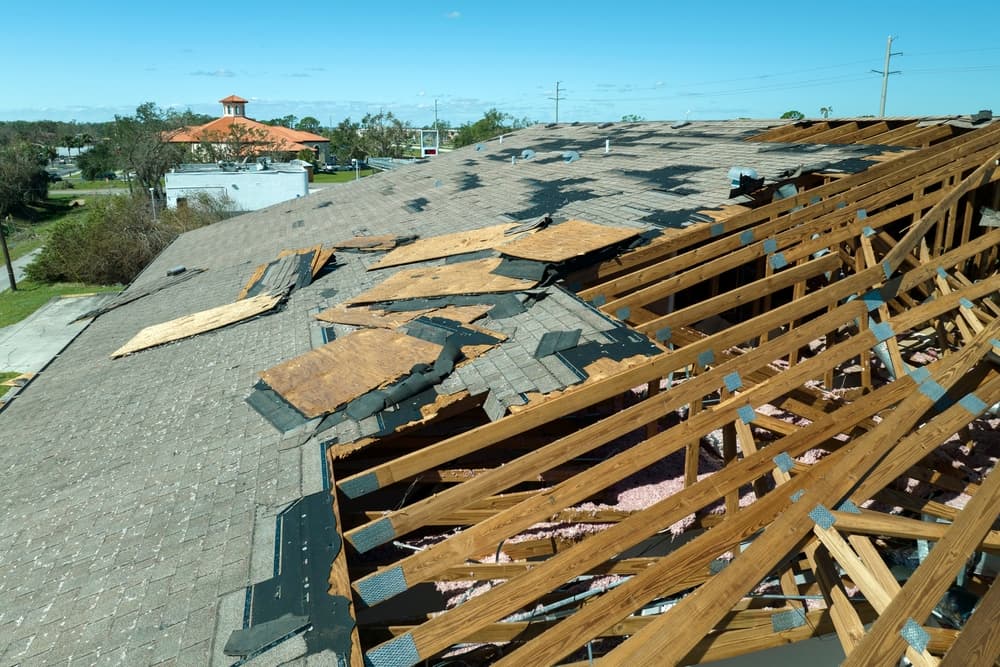
Ever notice how one building suffers roof damage after high winds while the one next door looks perfectly fine? The answer often comes down to wind uplift. Certain roofing systems are more susceptible to powerful gusts that can lift, loosen, or tear materials away if they aren’t properly designed or secured. This post breaks down how wind uplift affects roofs in Encinitas, how to assess your property’s risk, and how reaching out to a trusted roofing contractor can help prevent serious damage. Let’s break down what it takes to improve your roof’s resistance against wind uplift.
What exactly is wind uplift, and how does it damage a roof?
Wind uplift happens when strong winds create upward pressure that pulls roofing materials away from the structure. As high-speed wind moves across the roof surface, it creates a low-pressure zone above it. At the same time, the air pressure inside the building remains higher, producing a lifting or “vacuum” effect. The stronger the wind, the greater this force becomes.
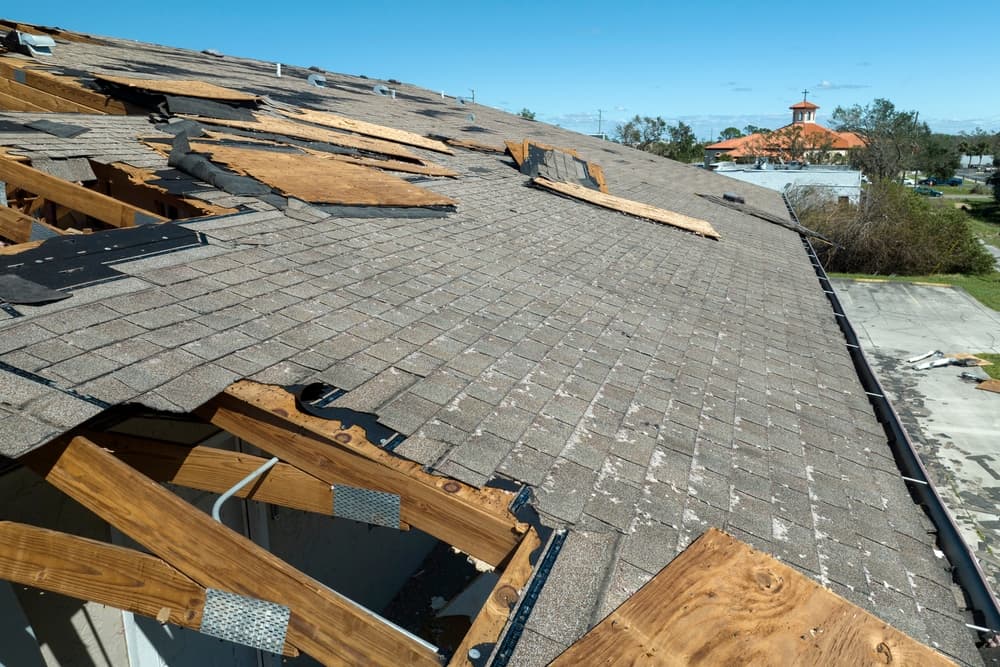
Over time, repeated exposure to these forces can loosen fasteners, lift shingles or tiles, and weaken entire roofing systems, especially in buildings constructed with lower-quality materials, aging components, or outdated installation methods. Left unaddressed, wind uplift damage can compromise the roof’s ability to protect the structure long before visible signs appear.
Why do some roofs fail in wind while others hold up better?
How a roofing system is connected to the structure plays a critical role in its ability to withstand heavy wind events. Eliminating weak connection points helps the entire system perform as a unified barrier against the elements. Failures often occur due to degraded materials, improper fastening patterns, or inadequate edge detailing—all of which can significantly reduce wind resistance.
Roof edges are especially vulnerable because they experience stronger airflow and higher wind speeds than central roof areas, resulting in greater uplift forces. The structure of your roof is crucial to the building’s stability, as each component contributes to wind resistance. Here’s what it consists of:
- Roofing material: Fosters wind resistance by transferring suction-like forces to fasteners.
- Fasteners: Surface materials rely on fasteners to resist forces.
- Roof deck: Handles uplift load through further distribution to structural framing.
- Structural framing: Ensures the system is properly attached to the building
How can I make my roof more resistant to strong winds?
Materials, design, and installation quality all play a critical role in a roof’s ability to withstand strong wind events. Inspecting and upgrading these elements can significantly improve long-term wind resistance.
- Materials: Choose high-quality, wind-rated materials designed to perform for decades, such as metal roofing or concrete and clay tiles. Lightweight materials are more susceptible to lifting, shifting, or tearing apart under intense wind pressure.
- Design: Roof shape matters. Steeper roof slopes tend to perform better in high winds, and gable or hip roof designs with slopes around 30 degrees generally offer greater resistance than flat or low-slope systems.
- Installation quality: Even the best materials can fail if they aren’t installed correctly. Proper fastening patterns, spaced and secured according to local wind-zone requirements, are essential for resisting uplift forces. Concealed fasteners help reduce potential leak points, while adhesives or thermal sealing can provide an added layer of protection.
To maintain strong wind performance, roofing systems should be inspected regularly and kept in compliance with local building codes. Proactive maintenance ensures your roof remains capable of handling high-wind conditions before damage has a chance to escalate.
Where in Encinitas can I find an experienced roofing contractor?
If your roofing system doesn’t meet current regulatory requirements in Encinitas or the surrounding areas, 619 Roofing can help. We provide professional reinforcement solutions tailored to your specific property, supporting both residential and commercial clients with expert care. Our services include advanced drone inspections and 24/7 emergency response when you need it most.
Our experienced teams use premium, durable materials and high-quality equipment to strengthen your roof against the wind uplift forces common in this region. While we restore your roof’s performance and protection, you can enjoy your day, whether that’s at the San Diego Botanical Garden or anywhere else. Contact 619 Roofing or book online anytime to receive your free quote.
READ MORE FROM OUR BLOG:

5 Ways Animals Cause Roof Damage
Most homeowners think of wind, rain, and age when they picture roof problems, but…
READ MORE
Structural Damage from Leaky Roofs: What You Need to Know
Shingles are not just decoration. They’re your first line of protection against water and…
READ MORE
Roof Cleaning 101: How to Keep Your Roof Spotless at All Times
Installing a quality roof is one of the most essential and expensive investments you…
READ MORE
Complete Guide to Roof Coating, Pt.2
In the previous post, we looked at the important role roof coating plays in…
READ MORE