Why Roof Preparation Should Start Before the Rainy Season
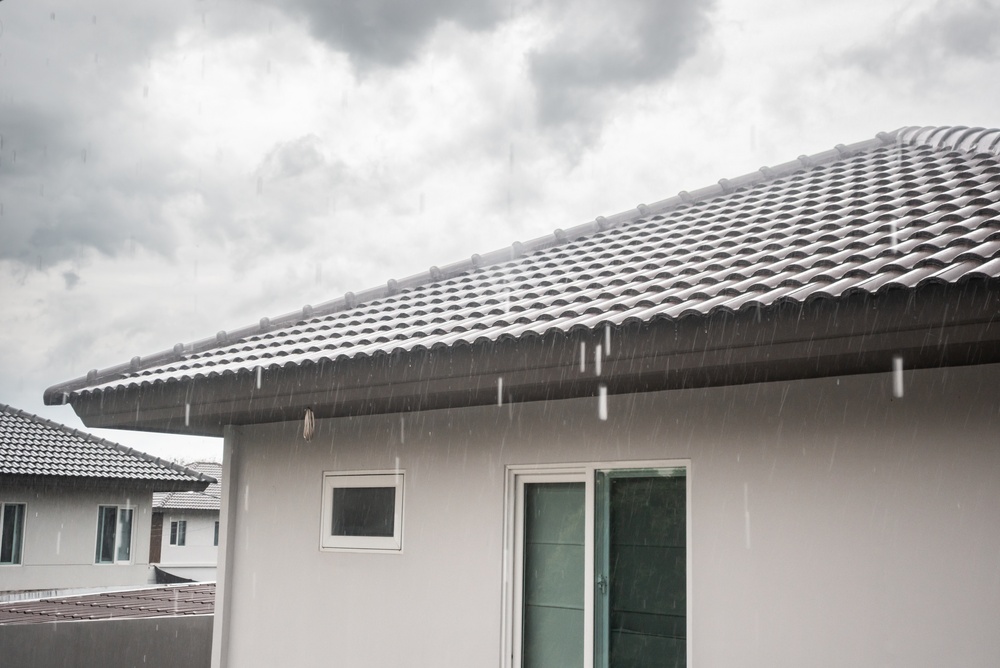
- Dry weather can conceal existing roofing problems.
- Early inspections allow time for necessary repairs.
- Blocked drainage can increase the risk of water damage.
- Worn flashing and sealants deserve attention before storms.
- Scheduling early provides greater flexibility for roofing work.
San Diego spends much of the year with relatively little rainfall, making it easy to overlook the condition of your roof. However, problems that go unnoticed during dry weather can become apparent once seasonal storms arrive. By then, water may already be entering the building, and arranging repairs can become more complicated.
Scheduling roof preparation in San Diego before the wetter months gives property owners time to identify vulnerable areas and address necessary work while conditions are more favorable. Even a roof that hasn’t shown obvious signs of trouble can have worn components or developing drainage problems.
In today’s post, we shed light on how proactive steps ensure these vulnerabilities are corrected before extended rainfall tests the system’s integrity.
Why is it important to prepare your roof before the rainy season?

Several parts of a roofing system deserve attention before seasonal storms begin. Scheduling early gives our team time to assess existing wear and complete necessary repairs before repeated rainfall exposes vulnerable areas. It also provides greater scheduling flexibility, especially when the work requires dry conditions or replacement materials.
Dry weather can hide developing problems
A damaged section may remain unnoticed for months during dry weather, only to start leaking when heavier rain arrives. Cracked tiles, deteriorating sealants, and loose components can all allow water to reach underlying materials.
Problems that become apparent during storms
Prolonged rainfall increases the time these weaknesses are exposed to moisture. A small opening that hasn’t caused any visible problems during summer can become a source of water intrusion during repeated storms.
During an early inspection, we can identify worn materials and determine which areas need repairs. An early assessment also gives us a useful point of comparison for roof inspections after heavy rains, helping us identify new damage that may appear after severe weather.
Drainage problems should be addressed early
Gutters and roof drains need to carry runoff away without becoming blocked. Leaves and accumulated debris can restrict water movement, potentially causing overflow or standing water.
The consequences depend on the building’s design. Low-slope commercial roofs can experience ponding around drainage outlets, while sloped residential systems rely on clear paths for runoff.
Common issues that need attention
- Blocked gutters: Debris restricts water movement and increases the likelihood of overflow.
- Clogged roof drains: Obstructions can allow water to collect on low-slope surfaces.
- Loose roofing materials: Displaced components may leave underlying layers exposed.
- Deteriorating sealants: Worn connections can create openings for moisture.
- Previous repair areas: Older patches or joints may need attention before further weather exposure.
Clearing drainage obstructions and securing loose materials is easier to arrange while conditions are dry. We can assess your roof’s condition and identify which problems require immediate attention.
Vulnerable connections need proper protection
Areas where roofing materials meet walls or penetrations deserve particular attention before prolonged rainfall. These connections depend on properly installed waterproofing components to direct water away from the building.
For example, flashing at roof-wall intersections helps prevent water from entering vulnerable joints. Damaged or inadequate flashing can allow moisture to reach the structure beneath the exterior materials.
Because roof flashing plays an important role in preventing leaks, we pay particular attention to older connections and previously repaired areas before the rainy season. Depending on the damage, the necessary work may involve replacing an individual component or restoring a larger section. Identifying the problem early allows those repairs to be planned before further exposure.
Early scheduling allows more time for repairs
Roofing work sometimes requires replacement materials or weather conditions suitable for installation. Waiting until storms begin can complicate scheduling, particularly when several properties experience damage around the same time.
Planning work before conditions change
The amount of work depends on the condition of the existing materials and whether previous damage has been repaired. Dry-weather scheduling leaves more flexibility for material orders and work that requires suitable conditions. It also gives owners and property managers time to review recommendations before committing to more extensive repairs.
If severe weather causes unexpected damage, temporary protection may be necessary until permanent work can be completed. If a storm causes unexpected damage, knowing what to expect during emergency roof repairs can help you prepare for temporary protection and any necessary follow-up work. Addressing known weaknesses beforehand reduces the likelihood of encountering those problems during a storm.
Where can I schedule professional roof preparation near me in San Diego?

619 Roofing provides preventive maintenance and storm-readiness services for residential, commercial, and HOA properties throughout the area. Our licensed professionals can assess your existing roofing system, identify vulnerable sections, and recommend necessary work before seasonal rainfall begins.
We handle drainage concerns and damaged roofing components, with repair recommendations based on your property’s condition. When more extensive deterioration is present, we can also discuss re-roofing options.
Whether your property is near Balboa Park or elsewhere in the city, we’re ready to help you plan ahead. Contact us today to request an inspection and discuss what your roof needs before the next rainy season.
READ MORE FROM OUR BLOG:

Winter Roof Prep: What Homeowners Need to Know
Winters can be tough on your home’s roof, especially in areas like El Cajon,…
READ MORE
The Most Commonly Overlooked Roofing Issues
When it comes to home maintenance, the roof is often out of sight and,…
READ MORE
Roof Tear Off: Phases and Preparation
All projects involve preparation and different phases until they are complete. It’s the same…
READ MORE
How Weather Exposure Changes Roofing Priorities in Southern California
Southern California roofs face a different kind of pressure than roofs in colder or…
READ MORE