Why Your Roof Needs an Inspection After Prolonged Rainfall
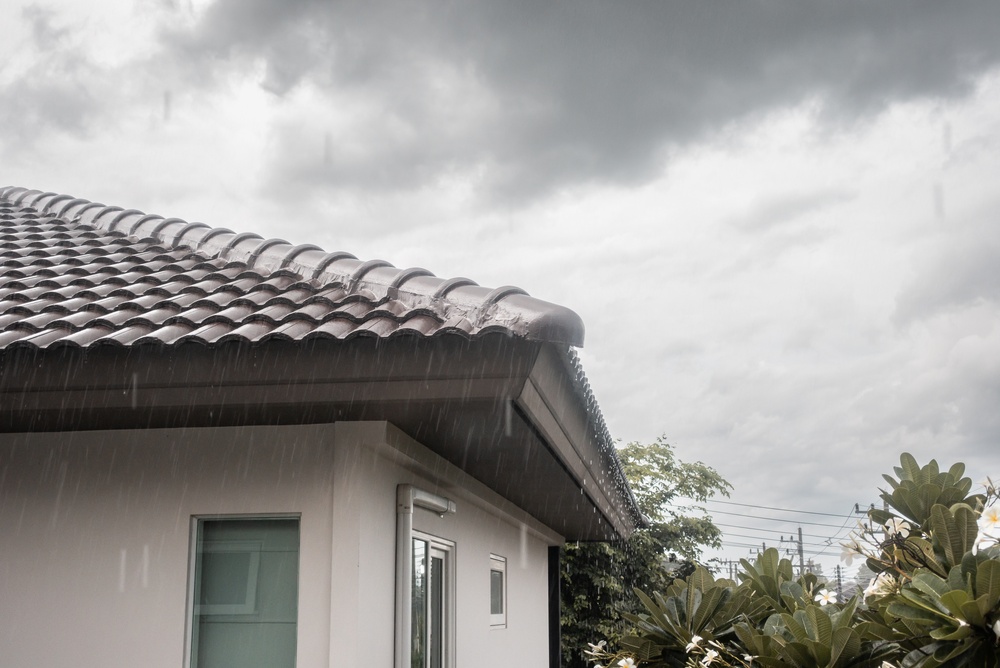
- Prolonged rainfall can expose existing roofing weaknesses.
- Water intrusion isn’t always immediately visible indoors.
- Interior stains can appear away from the original leak.
- Inspections help determine the extent and urgency of damage.
- Post-storm findings can inform future maintenance decisions.
The rain has stopped, and you haven’t noticed any water dripping from the ceiling. Does that mean your roof made it through the storm without damage? Not necessarily. Some problems remain hidden until moisture reaches an interior surface.
Extended rainfall can expose weaknesses in roofing materials and allow water to enter areas that aren’t immediately visible from inside the building. Certain signs only appear after the weather has cleared.
Scheduling a roof inspection in San Diego after a particularly wet period can help establish whether your property has developed problems that need attention. To help prevent similar problems in the future, we also recommend preparing your roof for the El Niño season before the next storm arrives.

Should you get your roof inspected after heavy rain?
An inspection is particularly worthwhile if rainfall was prolonged, strong winds accompanied the storm, or your roof already showed signs of wear. Our team can identify damage that isn’t obvious from the ground and help determine whether repairs are necessary. Even when no active leak is visible, certain conditions may warrant a closer assessment.
Water damage isn’t always immediately visible
Rainwater can pass through a vulnerable section and travel along structural materials before appearing inside a room. This means the location of a ceiling stain may differ from where the water originally entered. Moisture can also reach insulation or other concealed areas without producing an obvious drip.
Interior warning signs
Several changes may indicate that rainwater has entered the building:
- Ceiling stains: New discoloration can indicate moisture reaching interior finishes.
- Damp attic materials: Wet insulation or wood may suggest water entering from above.
- Peeling paint: Moisture can cause finishes to deteriorate around affected areas.
- Water near skylights: Staining or dampness can indicate problems with the unit or surrounding connections.
- Recurring leaks: Water appearing during successive storms suggests an unresolved entry point.
Signs of water infiltration around existing skylights deserve particular attention because leaks can originate from the skylight itself or its surrounding waterproofing components.
Inspectors need to locate the source of water entry
An interior stain doesn’t necessarily identify where water entered. Moisture can move along framing or other concealed materials before becoming visible. For example, staining near an exterior wall might originate from a deteriorated connection higher up. Without examining the surrounding roofing materials, the source can be difficult to identify.
We pay particular attention to roof flashing and its role in preventing leaks, since worn connections around walls and roof penetrations can allow moisture to enter during extended storms.
Looking beyond the visible damage
During an inspection, we examine the roof covering and accessible underlying areas to help identify where water may have entered. We also check flashing and previous repair areas when there are signs of potential water intrusion.
The scope depends on the building’s design and which areas can be safely accessed. Based on the findings, we can recommend localized repairs or identify areas that need further investigation to determine the full extent of the damage.
Inspection findings help determine repair urgency
Some inspections reveal localized problems that can be repaired without extensive work, while others uncover deterioration requiring more substantial repairs. The urgency depends on the condition of the affected materials and whether the building remains exposed to further rainfall.
When repairs are urgent
Active leaks and openings that expose underlying materials should be evaluated promptly. Damaged sections may allow additional water inside if another storm arrives before repairs are completed. If permanent work cannot begin immediately, temporary protection may be necessary.
Temporary tarping is often an important part of emergency roof repairs, helping protect exposed areas until permanent work can be completed. Property owners should avoid accessing wet or potentially unstable roofing surfaces. Professional evaluation should take place once weather conditions allow safe access.
The findings can guide future maintenance
After prolonged rainfall, an inspection can reveal problems that deserve attention before another storm.
Using the results to plan future work
Our team may identify areas with recurring drainage problems or materials showing deterioration. Previous repairs may also need reassessment if water continues entering near the same location. We can also use these findings to recommend roof preparation before the next rainy season, particularly if your property has experienced repeated leaks.
A written report can document the damage found and recommended repairs. This information is useful for property owners deciding which work to authorize and for managers responsible for maintaining commercial buildings or HOA properties. It also creates a record of the observed condition following the storm, which can be compared with later findings if additional problems develop.
Where can I schedule a dependable roof inspection near me in San Diego?
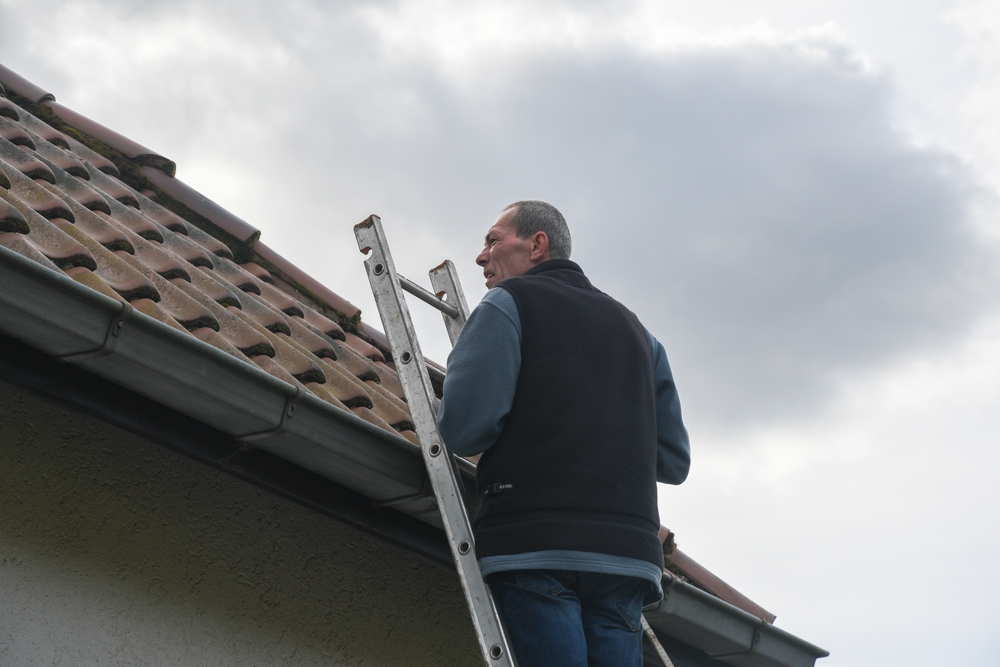
619 Roofing provides detailed assessments for residential, commercial, and HOA properties throughout the area. Our licensed professionals evaluate roofing materials and vulnerable connections to identify problems that may have developed during prolonged rainfall.
We can recommend repairs based on the conditions identified, including urgent assistance when storm damage leaves a building exposed. Our services also include drone inspections when appropriate for the property.
Whether your building is near Cabrillo National Monument or elsewhere in the city, we’re available to assess its condition following severe weather. Contact us today to request an inspection and find out whether repairs are necessary.
READ MORE FROM OUR BLOG:

Is Roof Cleaning Needed: Everything You Need to Know About Tidying Up Your Roof
It’s not an exaggeration to say that your roof is one of the most…
READ MORE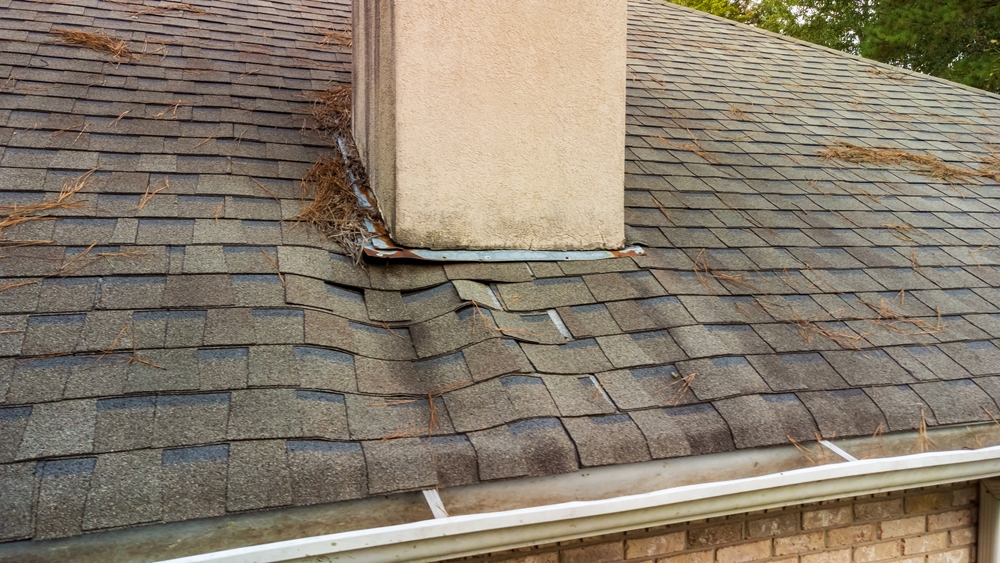
Structural Damage from Leaky Roofs: What You Need to Know
Shingles are not just decoration. They’re your first line of protection against water and…
READ MORE
How Did Roofs Come to Be: The Fascinating History
If you’re happy with the design of your roof and you’re maintaining it regularly,…
READ MORE
Is It Time for a New Roof?
Do you feel like your roof looks worn and old? Or do you simply…
READ MORE