What to Know Before Starting a Roof Repair Project
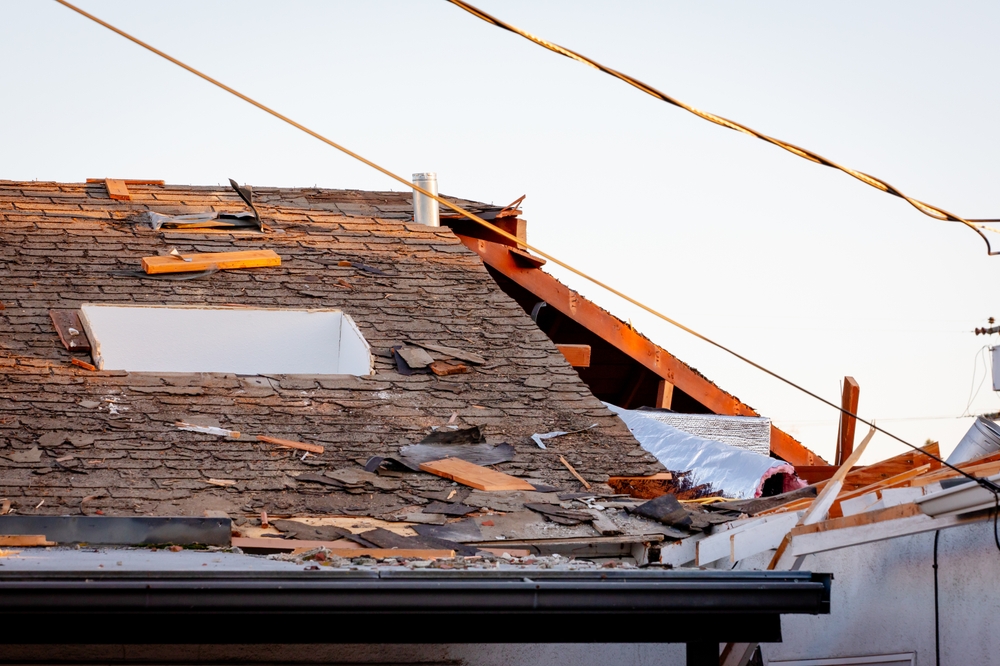
Starting a roof repair can feel like a big step, especially when the problem is not fully visible from the ground. A small leak, missing material, damaged flashing, or worn section may seem simple at first, but the right repair depends on what is actually happening beneath the surface.
When it comes to roofing in La Mesa, local climate, roof style, age, and existing materials can all shape the repair process. Knowing what to expect before work begins can make the project feel more organized and help you ask better questions along the way.
How should I prepare for roof repair?
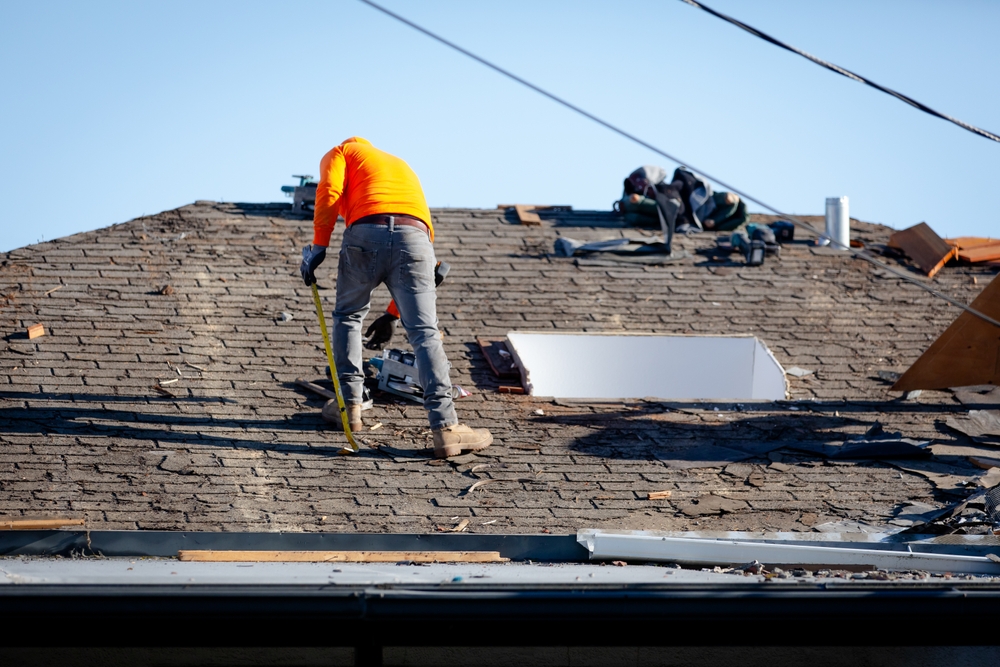
Good preparation comes down to gathering the right information and clearing the way for the crew before they arrive. A few simple steps ahead of time make the inspection faster and the whole visit more productive.
Document the problem early
Preparing for roof repair starts with giving the roofing team as much useful information as possible. If you noticed a leak, stain, missing shingle, cracked tile, lifted flashing, or damp spot inside the home, make note of when it appeared and whether it gets worse during rain or wind. Photos can also help, especially if the issue is visible from the ground or inside the attic. The more context you provide, the easier it is for the roofer to understand what may be happening before the inspection begins.
Make the work area accessible
Move vehicles away from the driveway if materials or equipment may need to be staged nearby. Clear patio furniture, potted plants, or fragile items from areas where crews may need safe access. Inside, protect belongings in attic spaces or rooms near active leak areas, especially if the repair involves water intrusion investigation.
Expect the plan to follow the roof’s condition
Homeowners should also be ready for the repair plan to depend on the roof’s condition, not just the first visible symptom. A leak around one area may be connected to worn flashing, underlayment issues, drainage problems, or material deterioration. Homes closer to the coast may also need a different level of attention because roofing materials can age differently under the sun and heat, especially when moisture, salt air, and sun affect vulnerable components over time.
Accounting for flat and low-slope areas
If your home has flat or low-slope sections, preparation may include discussing drainage, ponding water, seams, or membrane condition. These areas can be harder to evaluate from the ground, and low-slope roof areas often need careful inspection because small drainage or surface issues can lead to larger repair needs if they are missed. Taking time to prepare does not mean you need to diagnose the roof yourself; it simply helps the roofing team get a clearer starting point and keeps the appointment more productive.
What should I expect during the repair process?
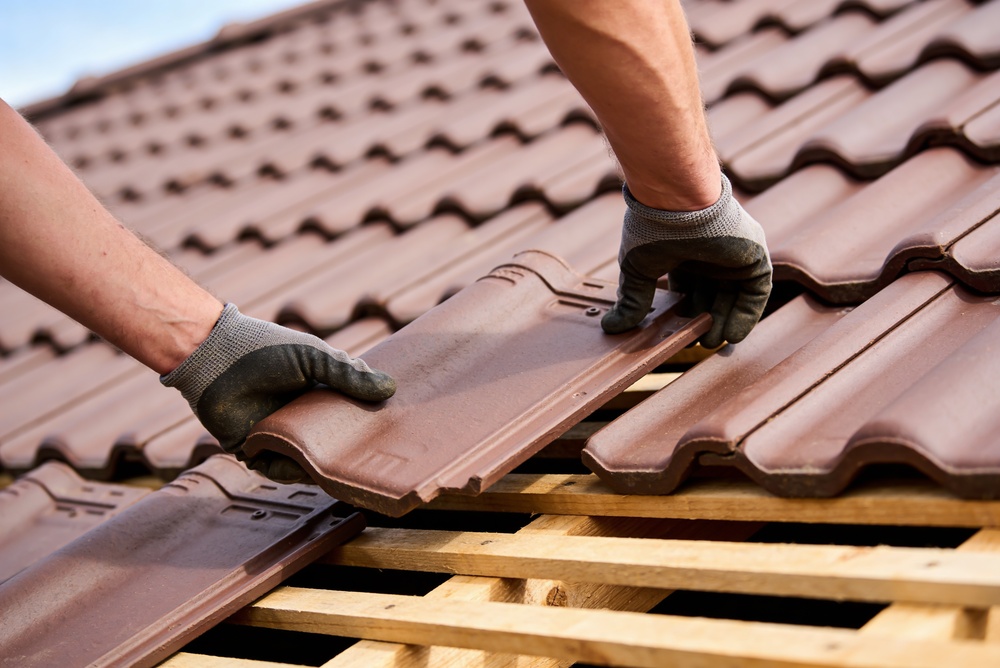
Most repairs follow a clear path: find the real source, explain the fix, do the work, and confirm what was done. Knowing that order ahead of time makes the day feel far less disruptive.
Confirming the source & extent
During the repair process, the roofer will usually start by confirming the source and extent of the problem. This may include checking the visible damaged area, nearby materials, roof edges, flashing, penetrations, vents, valleys, or drainage paths. Since water can travel before it shows up inside the home, the repair area may not always be directly above the stain or leak you noticed. A good repair process focuses on the cause of the issue, not just the most obvious surface damage.
The repair plan & materials
Once the problem is identified, the roofing team should explain what needs to be repaired, which materials may be involved, and whether the issue appears isolated or connected to a larger condition. Some repairs may be straightforward, such as replacing damaged shingles, resetting tiles, sealing flashing, or correcting a small vulnerable area. Others may uncover hidden wear once the affected materials are removed. That is why homeowners should expect some flexibility in the process, especially with older roofs or roofs that have had previous patchwork.
On-site conditions
Noise, movement around the property, and temporary access needs are normal during repair work. Depending on the scope, crews may need ladders, safety equipment, replacement materials, or debris removal. Homeowners should keep pets and children away from the work zone until the area is safe and cleaned up.
Looking at the roof’s overall state
A repair can also be a good opportunity to understand the roof’s bigger picture. If the roof is aging, showing repeated trouble spots, or being evaluated before a sale, the overall roof condition can affect buyer confidence and property value. Even when the repair is limited, proper documentation and a clear explanation of the work can help homeowners feel more confident about what was fixed.
By the end of the process, you should know what was repaired, why it was needed, and whether any other areas should be watched in the future. A good roof repair doesn’t just cover a problem for the moment, but it also helps restore protection, reduce the risk of recurring damage, and give homeowners a clearer sense of what their roof may need next.
Where can I find reliable roofing in La Mesa & nearby?
When roof problems start showing up, it helps to have a local team that can look beyond the obvious damage and explain what your home actually needs. For homeowners near Grossmont Center or anywhere around La Mesa, 619 Roofing offers dependable roofing support built around local conditions, honest recommendations, and repairs that are meant to hold up. Reach out today to schedule service and take care of your roof before a small issue has the chance to become a bigger one.
READ MORE FROM OUR BLOG:

How to Protect Your Roof from Bad Weather
Your roof is designed to protect your house from all sorts of threats. The…
READ MORE
Who Should Get a Roof Certification?
You have put considerable effort, decades and thousands of dollars into your property. If…
READ MORE
What to Expect During a Professional Drone Roof Inspection
Surveys have become more efficient with the use of drone technology. Instead of relying…
READ MORE
How Often Should You Reroof Your Home?
As one of the most important parts of the house that protects your family…
READ MORE